
How to Do a Balloon Decoration
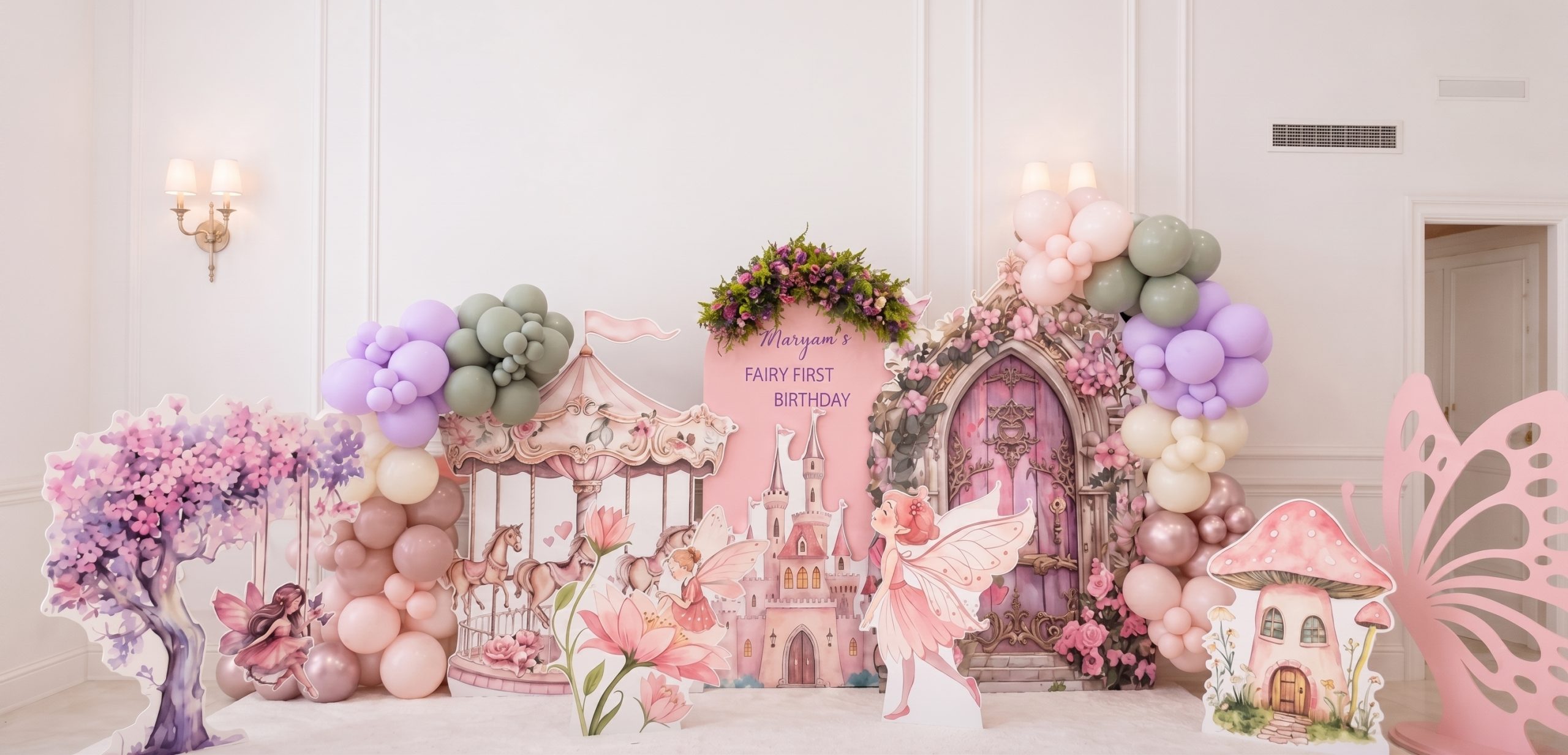
To do a balloon decoration, choose a colour theme, inflate balloons in several sizes, and attach them to a garland strip or sturdy frame. Arrange the balloons into a balanced shape, fill gaps with smaller balloons, then secure the display safely before adding optional ribbons, flowers or signage.
A Balloon Display Starts with a Plan
Balloon decorations can transform an ordinary room without requiring an elaborate budget or a professional event space. A simple cluster above a cake table feels cheerful, while an organic garland around an entrance makes guests notice the celebration as soon as they arrive. The secret is not filling every available corner. It is choosing one focal point, building a shape that suits the space and making each balloon feel deliberately placed.
If you are decorating for the first time, start with an air-filled balloon garland or a few neatly arranged clusters. Both teach you how to work with sizes, colours and spacing. Once you understand those basics, you can move on to arches, backdrops, columns and more ambitious installations.
Choose the Right Balloon Decoration for Your Event
Before buying supplies, decide what the balloons should frame or highlight. A birthday display may need space for a name sign, whereas a wedding arrangement might work better as a softer accent beside a welcome board. The size of the venue matters just as much as the occasion: a wide installation that looks striking in a hall can crowd a small living room.
- Balloon garland: a flexible arrangement that follows the edge of a table, doorway or photo backdrop.
- Balloon arch: a curved feature that creates a defined entrance or photo opportunity.
- Balloon clusters: groups of three to five balloons for chairs, corners or a dessert station.
- Balloon columns: upright displays that are useful beside signs and stage entrances.
- Ceiling balloons: lightweight floating or suspended accents that suit indoor celebrations, subject to venue rules.
Choose one main feature first. Repeat its colours in a few smaller areas rather than making several displays compete for attention.
Gather Your Balloon Decorating Supplies
Having the right tools nearby turns decorating from a tiring knot-tying marathon into a manageable project. You do not need every accessory advertised online. Start with the essentials and add specialised hardware only if your chosen design needs it.
- Latex balloons in two to four complementary colours, ideally in several sizes.
- A hand or electric balloon pump for consistent inflation.
- Balloon decorating strip for garlands, or a suitable purpose-built arch frame.
- Balloon glue dots or low-tack attachment options approved for the surface.
- Fishing line, ribbon or reusable ties for anchoring where appropriate.
- Command-style removable hooks or other fixings suitable for the wall and load.
- Scissors, a tape measure and a few spare balloons.
For a beginner-friendly garland, you might use mainly medium balloons, a smaller number of large balloons for structure and mini balloons to fill the visible spaces. Buy extras in case some burst or turn out to be the wrong shade. The exact number depends on the length, fullness and balloon size rather than one universal formula.
Step-by-Step: How to Make a Balloon Garland
A garland is an excellent first project because it does not need helium and can be shaped around many different settings. Set up a clean, dry workspace with enough floor space to lay out your colours before you begin.
Step 1: Measure the Space and Sketch the Shape
Measure the width and height of the wall, backdrop or table you want to decorate. Decide whether your garland will be a straight horizontal line, a gentle curve or an asymmetrical arrangement that falls down one side. Sketching a rough outline helps you judge proportions. Leave breathing room around lettering, lights and the main subject of your photographs.
Step 2: Choose a Balanced Colour Palette
Select two main colours and one accent, or use several shades within a single colour family. For a soft celebration, try ivory, blush and warm beige. For a lively children’s party, combine brighter colours with a calmer neutral. Distribute the shades throughout the garland rather than creating accidental blocks of one colour, unless deliberate colour blocking is part of your design.
Step 3: Inflate Balloons in Different Sizes
Use a pump to inflate the balloons until they are round, not stretched into a pear shape. Slightly underinflated latex balloons often sit together more neatly and are less stressed than overinflated ones. Prepare groups of large, medium and small balloons, then sort them by size. Keep direct sunlight and sharp edges away from the working area.
Step 4: Build the Main Garland
For a decorating strip, push the tied neck of each balloon through a hole, alternating sides as you work. Leave a little room near each end for fastening. If you are using a balloon-cluster method instead, tie pairs of balloons together, twist pairs into groups of four and connect those groups securely with line or a suitable garland system. Follow the chosen product’s instructions rather than mixing methods halfway through.
Step 5: Hang and Shape the Display
Ask someone to help position the garland against the chosen surface. Fix it at multiple secure points using hooks or ties appropriate for the wall or backdrop frame. Check that the installation is supported without pulling on delicate paint, curtains, light fittings or electrical cables. Stand back, look at the overall silhouette and adjust the direction before adding details.
Step 6: Fill Gaps and Add Finishing Details
Attach small balloons in the visible gaps with balloon-specific glue dots, keeping them out of reach of young children. Small balloons make a garland look fuller and more organic because they break up the repeated medium-sized shapes. Add foliage, fabric bows or lightweight signage only when the anchors can support them. If you use flowers or greenery, check for sharp stems that could puncture the latex.
How to Create a Simple Balloon Arch
An arch follows the same colour and inflation principles as a garland, but its shape requires more stable support. Freestanding arches should use a suitable frame and weighted bases. A DIY arch made only from balloons and loose string can be unpredictable, especially near doors or moving crowds.
- Choose an arch kit or frame that fits the available height and width; check its assembly and ballast instructions.
- Inflate balloons consistently and group complementary colours together.
- Attach the balloons to the frame or its recommended fastening system, building from one side to the other.
- Rotate clusters so the arch looks full from the direction guests will see it.
- Fill visible gaps with small balloons, then test the stability of the finished display.
For outdoor arches, conditions may change quickly. Wind, heat and uneven ground can affect both the balloons and the structure. Use weather-appropriate equipment, avoid overhead hazards and take the display down if it cannot be secured safely.
Five Balloon Decoration Ideas You Can Adapt
1. An Organic Garland for a Birthday Backdrop
Arrange mixed-size balloons around two edges of a plain backdrop, keeping the centre free for a birthday message. Allow one side to extend lower than the other for a relaxed silhouette. Pairing a bold accent colour with two quieter tones prevents the display from overwhelming photographs.
2. A Balloon Feature Around the Cake Table
Position a compact garland behind or beside the dessert table, rather than hanging loose balloons directly over food. Match the colours to cake decorations, napkins or table linen. A little coordination goes further than adding lots of unrelated party accessories.
3. A Welcome-Sign Accent for Weddings
Use a modest curved cluster at the top or lower corner of a standing welcome sign. Soft whites, muted greens and warm neutrals create a gentle entrance display. Keep the couple’s names readable and ensure the sign stand is weighted and stable.
4. Balloon Columns for an Entrance
Place matching columns on either side of a doorway, using bases designed for the purpose. These create impact while leaving a clear route for guests. Choose colour patterns that work from top to bottom, such as alternating blocks or a gradual shift between two shades.
5. A Photo Corner with Layered Balloons
Combine a simple curtain or fabric backdrop with a diagonal garland and a small separate balloon cluster on the floor. Give guests room to stand in front of the installation. More balloons do not automatically produce a better photograph; clear sight lines and good lighting matter.

How to Make Balloon Decorations Look Professional
Professional-looking displays rely on proportion, rhythm and restraint rather than expensive accessories. Aim for a mixture of large anchor balloons, medium-sized connecting balloons and little fillers. This avoids a rigid row of identical circles, although perfectly even spacing may suit a formal column.
- Work with a limited palette so that the shape remains the focal point.
- Vary balloon sizes deliberately, not randomly.
- Check the arrangement from the guest’s eye level and through your phone camera.
- Leave room around important signage and doorways.
- Hide ties and attachment points wherever practical.
- Match the display to the backdrop and lighting rather than decorating in isolation.
If your balloons look scattered, remove a few and reposition the larger ones. An attractive arrangement usually has one clear direction and a balanced outline. Crowding every gap with the same size balloons can make it look heavy.
Common Balloon Decorating Mistakes
The most frequent mistake is inflating balloons too much. Overfilled balloons can look uneven, burst more easily and place extra strain on their knots. Another problem is starting without measuring the space, which can leave you with an impressive garland that does not fit the wall.
People also underestimate the importance of secure fixing. Adhesives that work on a smooth backdrop may fail on textured paint or outdoor brickwork. Test your attachment method on an inconspicuous area and follow the product and venue guidance. Finally, avoid attaching a heavy sign or other object directly to a lightweight balloon structure; support it independently.
Balloon Safety, Sustainability and Responsible Disposal
Keep uninflated balloons, burst balloon pieces, glue dots and small decorative parts away from children, as they can present a choking hazard. Young children should be supervised around balloons, and any broken pieces should be cleared away promptly. People with latex allergies should avoid latex balloons and choose suitable alternatives where appropriate.
For most home displays, air-filled balloons are a practical option. They eliminate the need for helium and can be attached to suitable supports. Never release balloons outdoors: they can become litter and harm wildlife. When the event finishes, take the installation apart carefully, gather the pieces and dispose of them according to local guidance. Reuse frames, hooks and ribbons where safe and possible.
When to Decorate and How Long Balloons Last
Air-filled latex decorations often remain presentable for at least the day of an event and sometimes longer indoors, but there is no guaranteed lifetime. Temperature, direct sun, balloon quality, handling and exposure to sharp surfaces all make a difference. Helium-filled latex balloons generally have a much shorter floating time unless specially treated, so do not plan them on the same schedule as an air-filled garland.
If the venue allows it, assemble an indoor air-filled garland ahead of the celebration and store it in a cool, dry place away from sunlight, heaters and pets. Add fragile accents after the main display has been installed. For an outdoor event, set up as close to the occasion as is practical and account for the weather.
DIY Balloon Decoration or Professional Styling?
DIY is a sensible choice for a small home birthday, a short garland or a straightforward cake-table display. You can experiment with colours and keep control of the arrangement. However, a large arch, a high-ceiling installation or a display spanning multiple rooms requires more time, equipment and installation experience.
For milestone celebrations and larger venues, Elevate Decor by Sam can be considered when you want help planning a coordinated balloon display rather than organising every element yourself. Whether you decorate independently or seek help, agree the colours, dimensions, installation access and removal arrangements before the event.
Conclusion
Learning how to do a balloon decoration is mostly about planning a clear shape, combining sizes thoughtfully and fixing everything securely. Begin with a manageable garland, keep your colours consistent and make room for the people and details the display should celebrate. With a little preparation and a few careful adjustments, even a simple arrangement can become a memorable part of the occasion.
Table of Contents

Copyright © 2026 Elevated Décor By Sam. All Rights Reserved.
© 2026 Elevate Decor By Sam.
- Home
- About
- Services
- Anniversary Celebration Setup Decoration
- Baby Shower Balloon Decoration
- Helium Balloon Decoration
- Balloon Arches
- Balloon Artist
- Birthday Balloon Decoration
- Corporate Launch Event Decoration
- Balloon Decoration
- Event Decoration
- Hotel Room Decoration
- Luxury Engagement and Proposal Setup
- Party Balloon Decoration
- Pricing
- Gallery
- Testimonials
- Blog
- Contact
